
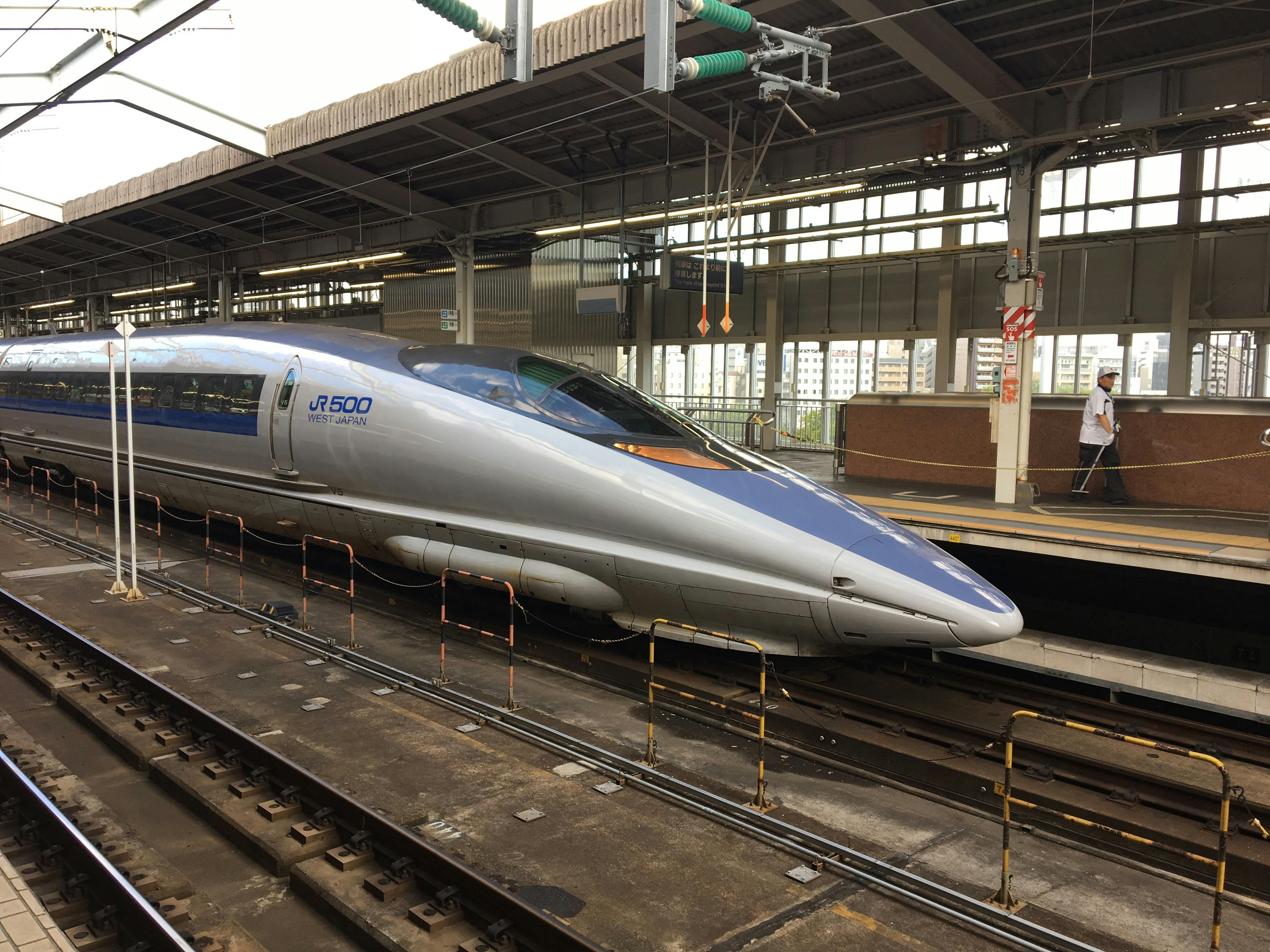
Understanding the Japan Rail Pass
The Japan Rail Pass is a special travel pass designed exclusively for foreign tourists travelling in Japan. It allows unlimited travel on JR trains, including the renowned Shinkansen (bullet trains), buses, and even some ferry services. This pass can be an invaluable asset for anyone planning to explore multiple destinations across the country, providing both cost savings and convenience.
The pass comes in different categories to cater to various travel needs. There are two primary types: the standard pass and the green car pass. The standard pass allows travellers to use ordinary cars, while the green car pass provides access to more spacious, luxurious seating in green cars, which are often quieter and less crowded. The Japan Rail Pass is available for three durations: 7 days, 14 days, and 21 days, creating flexibility depending on the length of one’s stay.
Regarding pricinone’s cost, it varies based on the duration and the type of pass selected. While it is essential to purchase the Japan Rail Pass before arriving in Japan, it offers significant cost savings, particularly for those planning extensive train travel across major cities like Tokyo, Kyoto, and Osaka. For instance, a round trip from Tokyo to Kyoto alone can cost as much as the 7-day standard pass, suggesting that a pass might be a better financial option for many travellers.
Additionally, the Japan Rail Pass simplifies travel logistics. It eliminates the need to buy tickets for each journey; users can hop on the train as long as the pass covers the service. This ease of travel makes the rail pass a popular choice for visitors looking to explore Japan’s scenic beauty and cultural richness efficiently.
How to Purchase and Activate Your Japan Rail Pass
The Japan Rail Pass is an invaluable tool for travellers looking to explore Japan by train, offering unlimited travel on various JR trains for a specified duration. To begin your journey with the Japan Rail Pass, it is essential to understand the purchasing and activation process. You can acquire a pass either before departing for Japan or upon your arrival at designated locations throughout the country.
Buying your Japan Rail Pass in advance is often more convenient. Various online platforms enable international travellers to purchase the pass before their journey. Once you complete your purchase, you will receive an Exchange Order. This document is essential for activating your pass upon arrival in Japan. To secure your pass, be sure to compare the various options available, including 7, 14, or 21-day durations, and select the one that best fits your travel itinerary.
Upon your arrival in Japan, activating your Japan Rail Pass requires visiting a JR-designated location, such as a major airport or train station. It is crucial to have the Exchange Order at hand, as well as a valid form of identification, such as your passport. Presenting both documents allows you to activate your pass and access essential travel benefits.
Additionally, making seat reservations can enhance your travel experience; it’s advisable to do so at Jit’scket offices or through automated machines found in train stations. Keep in mind that the Japan Rail Pass is non-refundable once activated, but if you must cancel before activation, you can obtain a refund, though there are conditions. Understanding these processes will ensure that your rail travel in Japan is enjoyable and seamless.
Navigating the Rail System in Japan
Travelling around Japan by rail is both efficient and convenient, particularly with the Japan Rail Pass (JR Pass). This pass provides unlimited travel on various train lines, including the renowned Shinkansen, the country’s bullet trains known for their speed and punctuality. Understanding the different types of trains and their classifications is crucial for optimising your travel experience.
Japan Railways operates an extensive network that includes the Shinkansen, which connects major cities such as Tokyo, Kyoto, and Osaka. These high-speed trains dramatically reduce travel time, making them the preferred option for long-distance journeys. Additionally, local trains and limited express services are available to cater to different travel needs. Local trains are perfect for short distances within cities, while limited express services offer faster connections between specific points.
To effectively navigate the rail system, travellers should familiarise themselves with train schedules and signage. Most major train stations in Japan provide bilingual information in English, making it easier to understand train timetables. Platforms are clearly marked, as are signs indicating train destinations and available services. Moreover, it is recommended to utilise apps and websites that provide real-time updates on train schedules and platform changes.
Etiquette plays a significant role in Japan’s train culture. Passengers are expected to maintain silence while aboard, respect personal space, and refrain from eating. It is also courteous to offer your seat to those in need, such as the elderly or pregnant individuals. By adhering to these practices, travellers contribute positively to the communal travel environment.
To make the most of your rail adventures, consider planning your itinerary and taking advantage of early train departures. This not only ensures a smoother travel experience but also allows you ample time to enjoy Japan’s scenic landscapes and destinations.
FAQs about Travelling in Japan by Rail Pass
The Japan Rail Pass is an invaluable tool for travellers seeking to explore Japan efficiently. However, many travellers have questions about its usage and benefits. Below are some frequently asked questions regarding the Japan Rail Pass.
1. Can I use the Japan Rail Pass on all trains?
While the Japan Rail Pass provides access to most of the train services in the country, it does not cover all trains. For example, Nozomi and Mizuho trains on the Shinkansen lines are excluded. However, you can use other types of Shinkansen trains, such as Hikari and Sakura, without any additional fees.
2. How far in advance should I purchase the pass? Travellers are advised to purchase the Japan Rail Pass at least a few weeks before their trip to ensure that they receive the physical pass in time. The pass can be purchased online or through authorised travel agencies, and it is valid for use within a specified period after activation.
3. Is a reservation required for all trains?
Reservations are not mandatory for all train services when using the Japan Rail Pass. However, it is highly recommended on long-distance trains, especially during peak travel seasons. Making reservations guarantees seating and can enhance your overall travel experience.
4. What happens if I lose my pass?
If you misplace your Japan Rail Pass, it is crucial to report the loss immediately to a JR office. They may issue a replacement pass, contingent on certain conditions and proof of purchase.
5. Can I use the pass for travel to and from airports?
Yes, the Japan Rail Pass can be used to travel to and from major airports such as Narita and Kansai. Specific airport express trains are included, allowing convenient access to and from these terminals.
6. Is it worth getting a rail pass for short itineraries?
For travellers with limited itineraries, the Japan Rail Pass may still offer cost savings compared to purchasing individual tickets, especially for more extensive travel. A quick cost analysis based on your travel routes can help in making this decision.